STAYING POWER: Tigertree
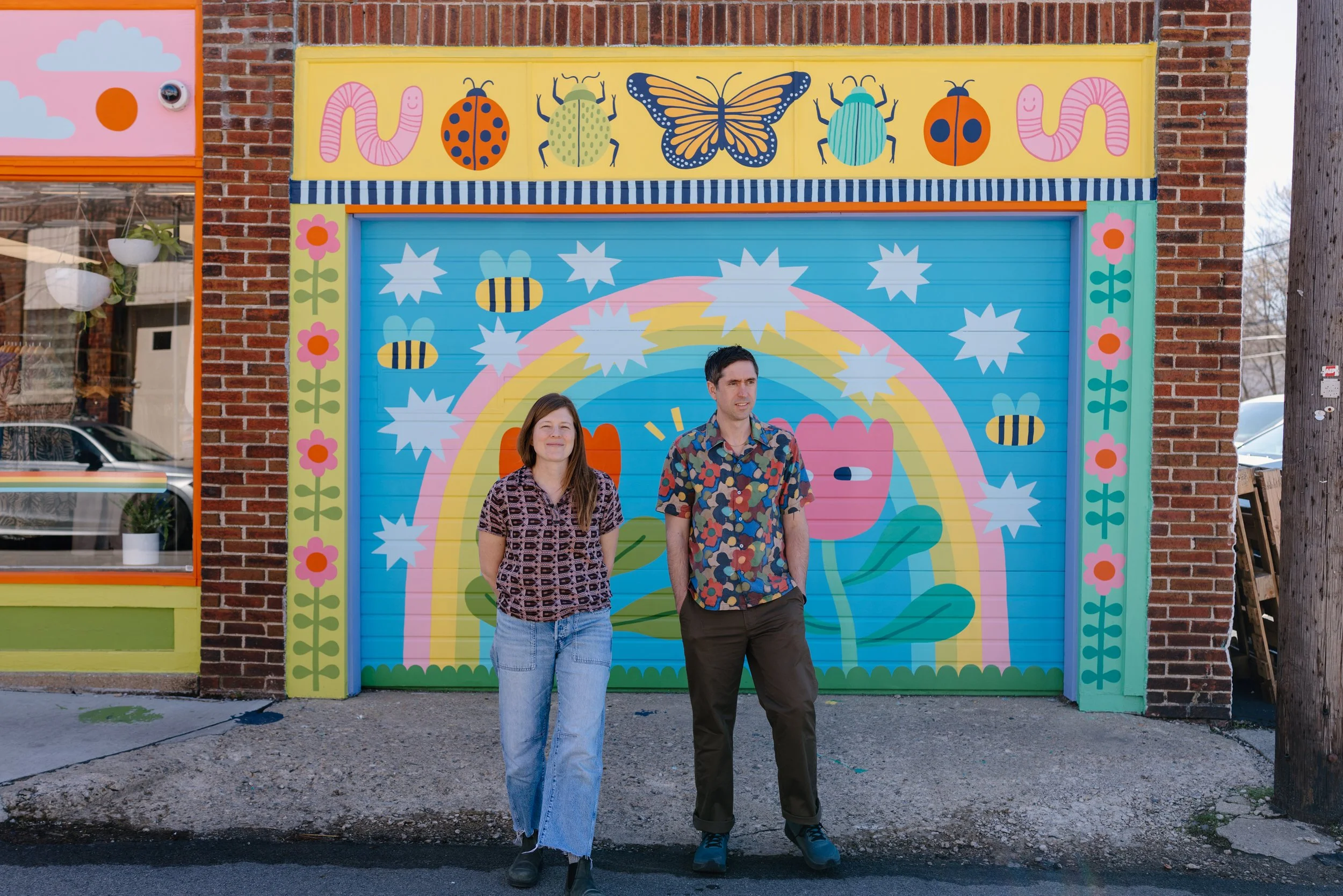
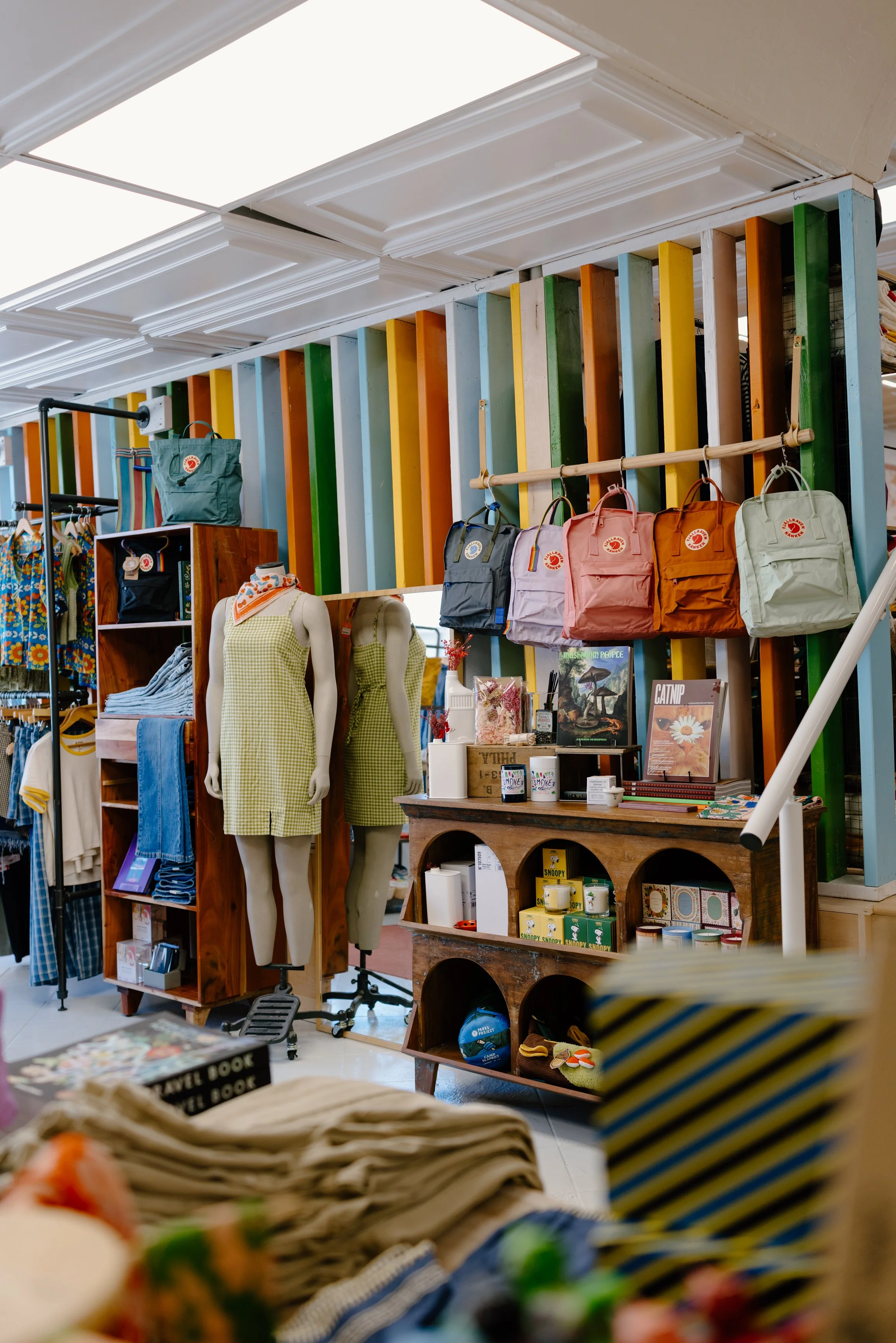
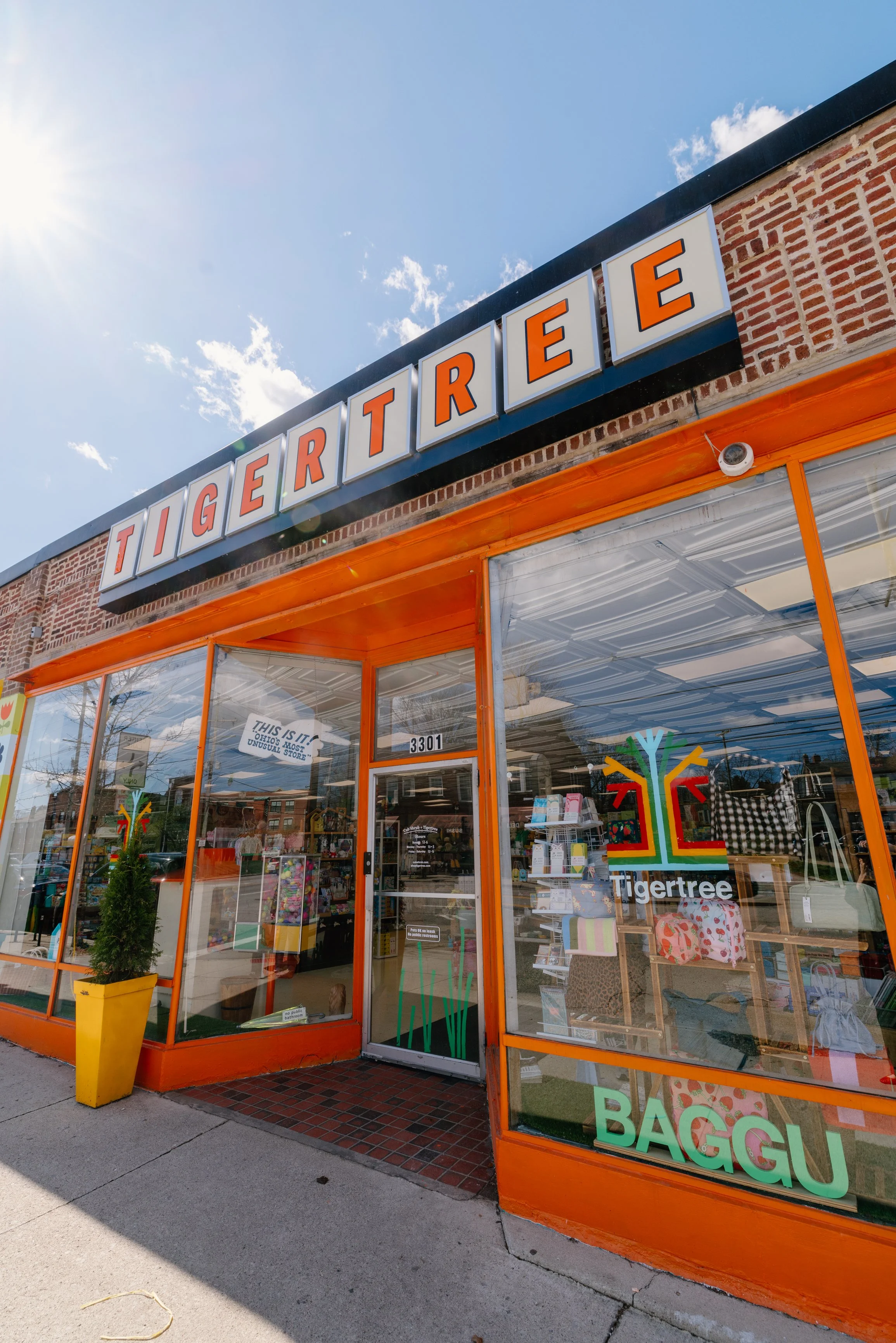
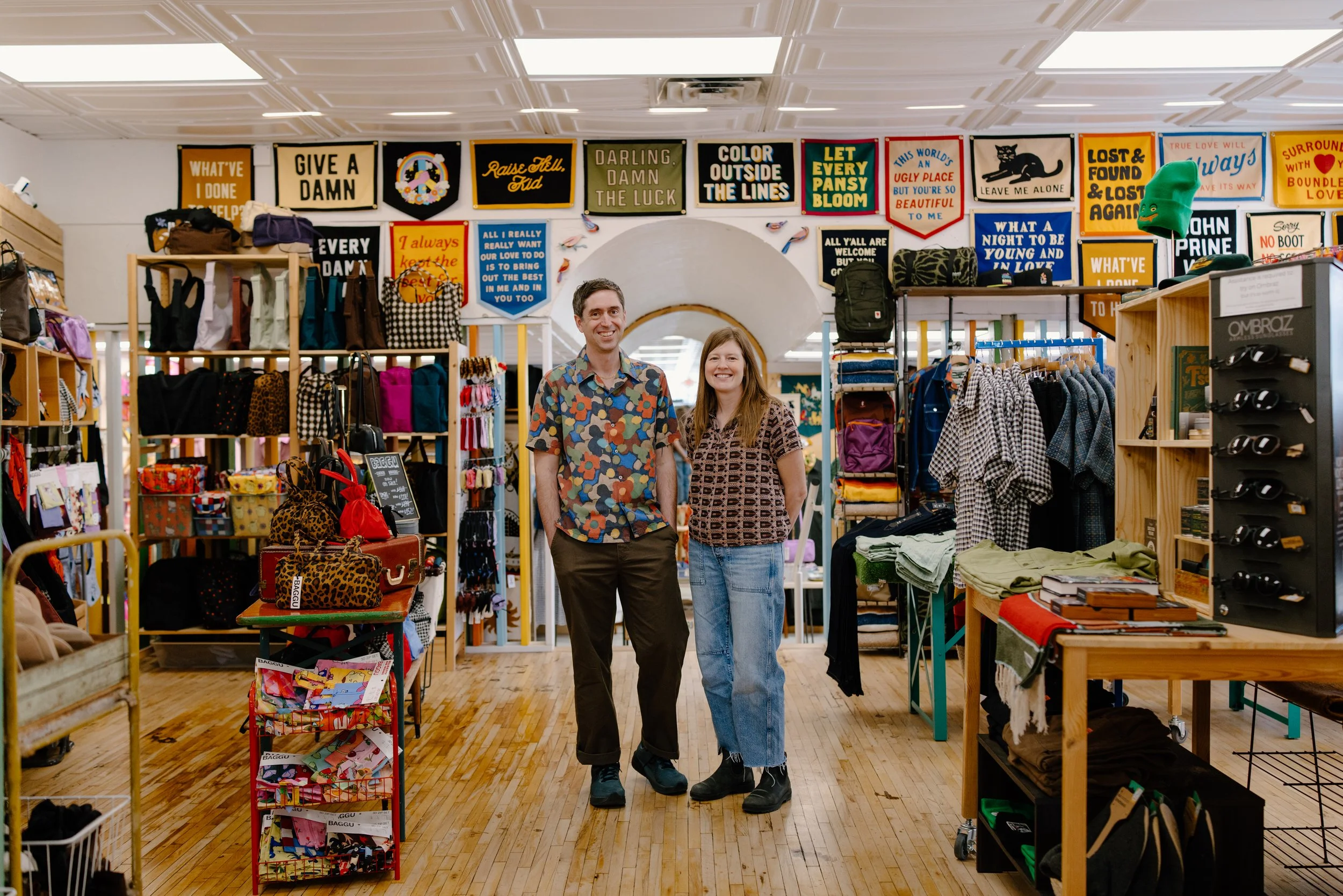
Meet Tigertree, the design-forward general store in Columbus, Ohio, curating a considered mix of clothing, gifts, paper goods, and everyday objects. Founded in 2007 by husband-and-wife duo Josh and Niki Quinn, the shop has been providing their community with thoughtful designs and meaningful retail experiences for nearly two decades.
We talked shoppe with co-owner Josh about how Tigertree came to be and remains a trusted neighborhood staple. Scroll on to read the full story!
1. Tell us your shop’s origin story!
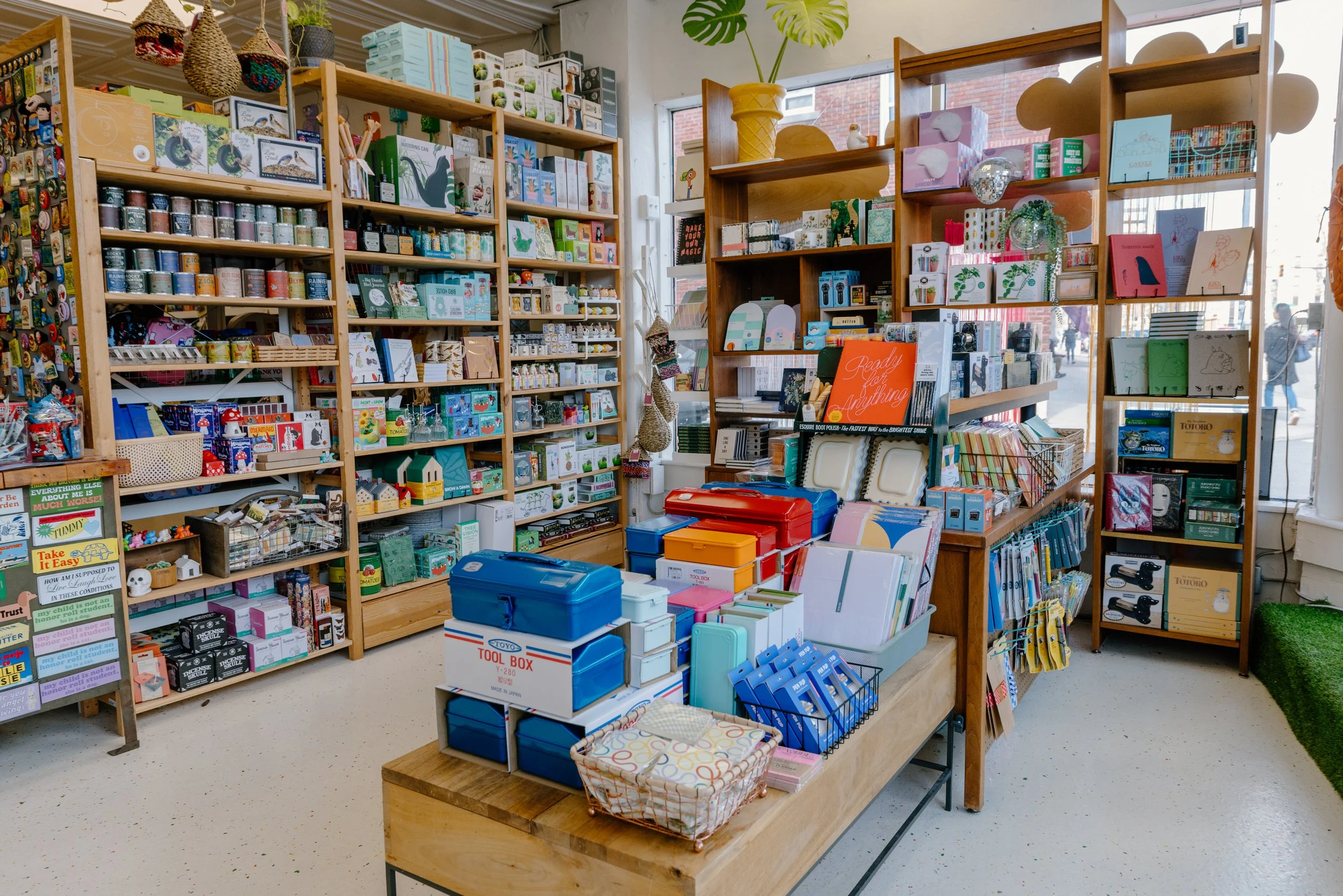
In the early 2000s, I started a wholesale accessories brand with my wife, Niki. She went to Ohio State, and I visited her often from LA. My wallet broke one visit, so I sewed a new one. We liked it enough that we bought a cheap sewing machine to make more. I extended my trip and flew back to LA with dozens of samples. I took them to Fred Segal, and they were our first account.
We spent those early years on the road, meeting shops all over the country, and started thinking we would rather be on the other side of the counter. Even with the success of our first brand, we had no money, and opening a shop in LA felt impossible. We rented a place in Columbus for six months to work on a business plan and intended to continue east. The loans available to us combined with the feeling that Columbus was a market ready to explode led us to stay and start Tigertree.
2. Steepest learning curve in the beginning? Biggest challenge today?
We first opened in an alley. It was the only space we could afford, and we overestimated people’s willingness to visit our shop. I started walking the neighborhood with flyers, asking people to come see us. That was our biggest turning point, and something I still rely on. If we have an off month or season, I try to get a read on the industry. If the entire system is struggling, there is still a path to victory, but it will be harder. If the whole neighborhood is doing well, and we’re not, then something about our experience is off. That is much more solvable.
Today, the two biggest challenges are tariffs and how easily you can be copied. At the same time, the quality in independent shops blows my mind. That pressure keeps us from getting comfortable. I like a little bit of panic that forces us to refine and evolve before anything gets stale.
3. What products are people relying on you for the most in your community?
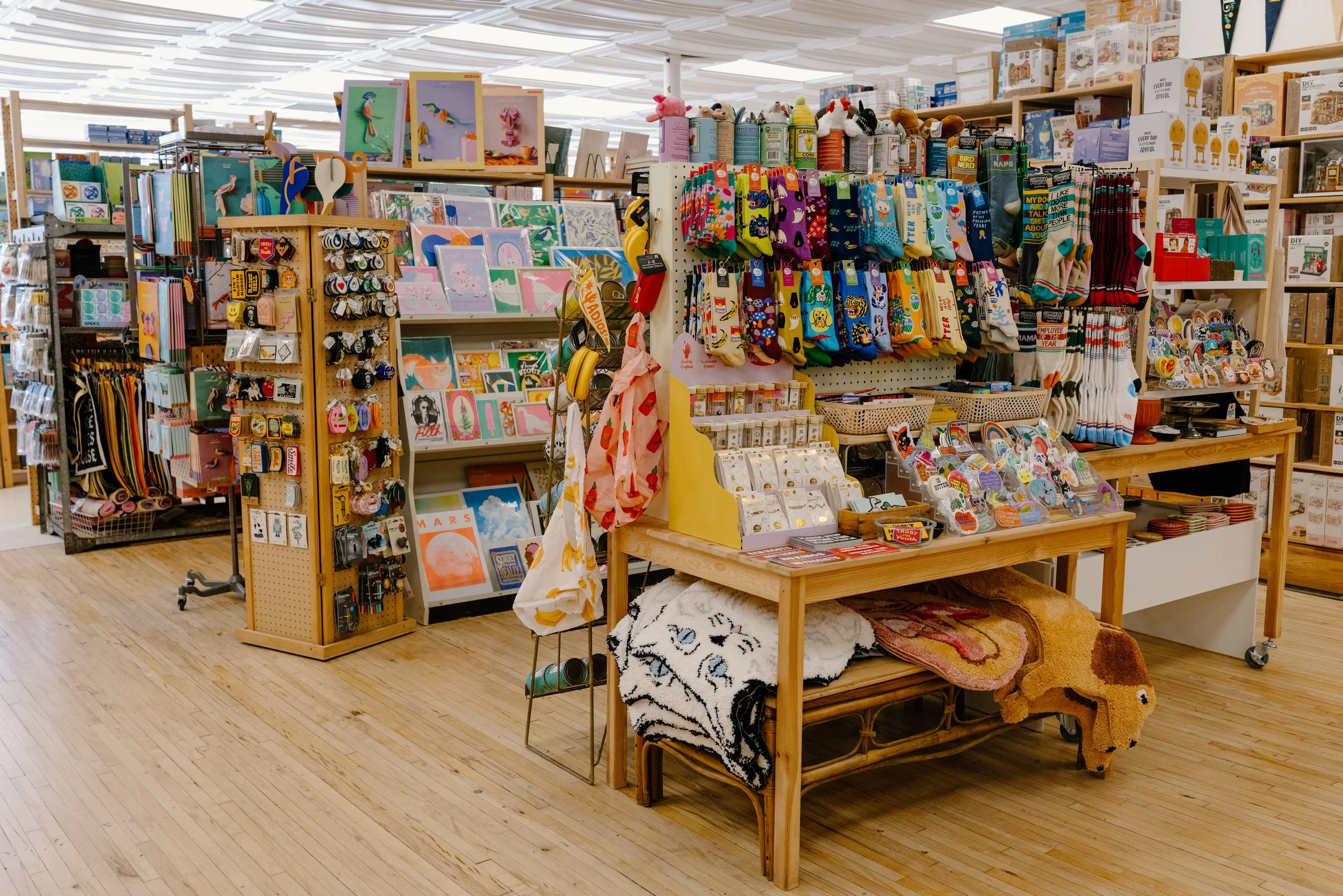
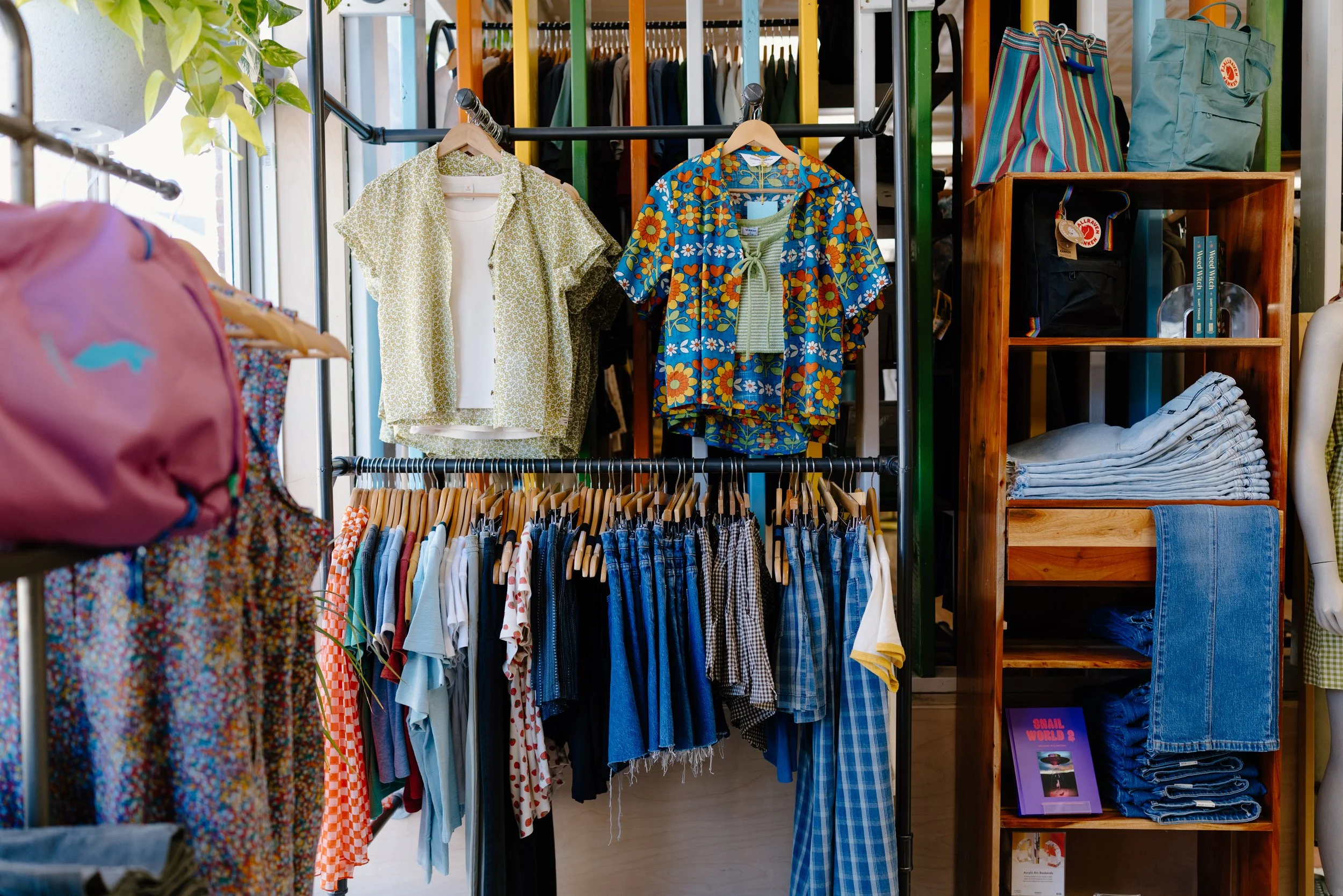
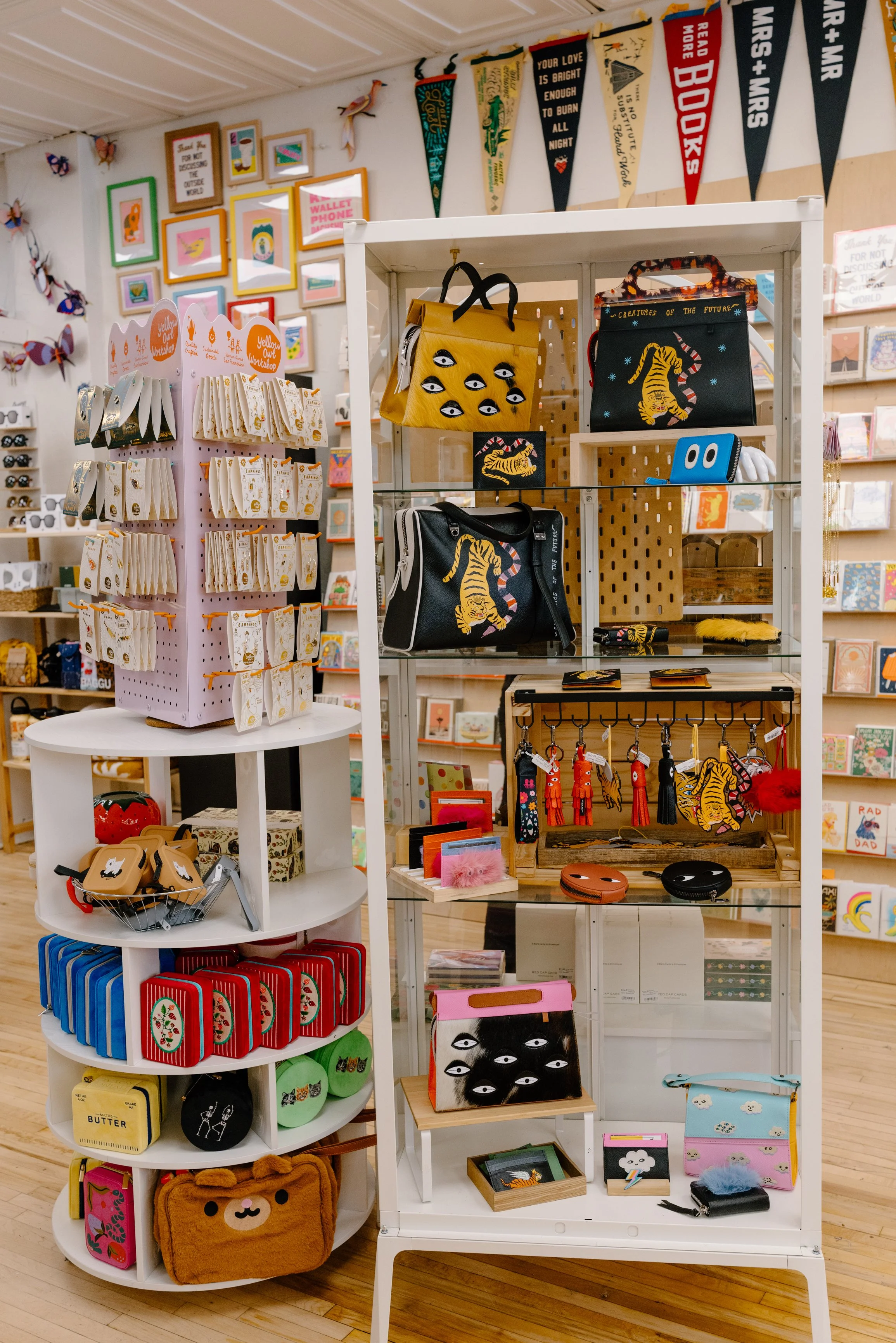
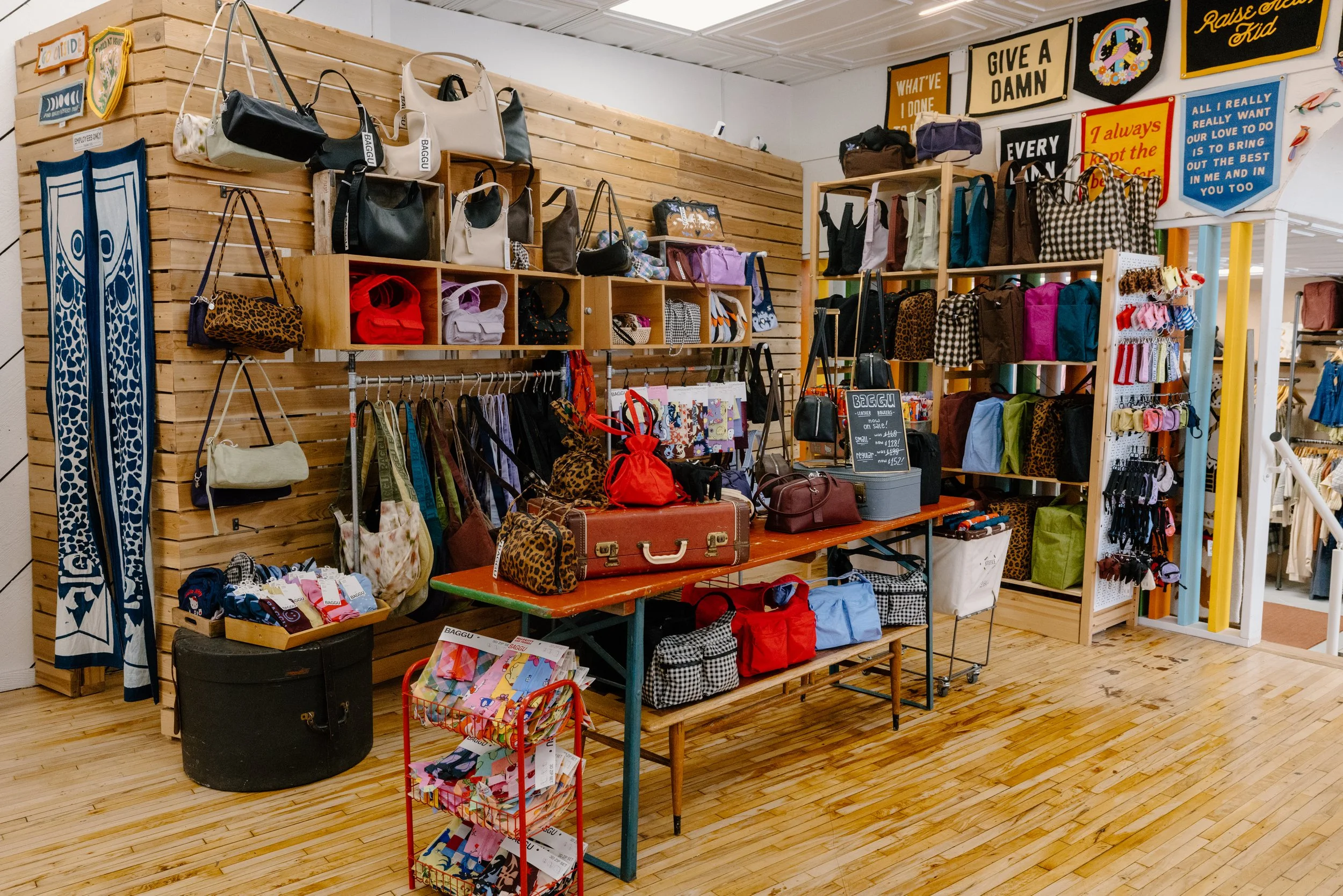
We carry brands that are major trends right now — Baggu, Jellycat, Nee Doh. We sell thoughtful gifts for just about everyone, from birth to retirement and beyond. I think people come for that breadth, but more than anything, they come for the sense of community.
4. Most memorable customer interaction?
There are families who started shopping with us when they were pregnant. Now their kids are in high school and getting ready for college, and they are still coming in. I don’t know if that makes them the most memorable, but they are certainly the most meaningful. To have served a family for that long, and to still feel relevant across different phases of their lives, means a lot to me. The parents are in a new stage. The kids are becoming adults. And they are all still finding something they love here.
5. Top song on the shop soundtrack?
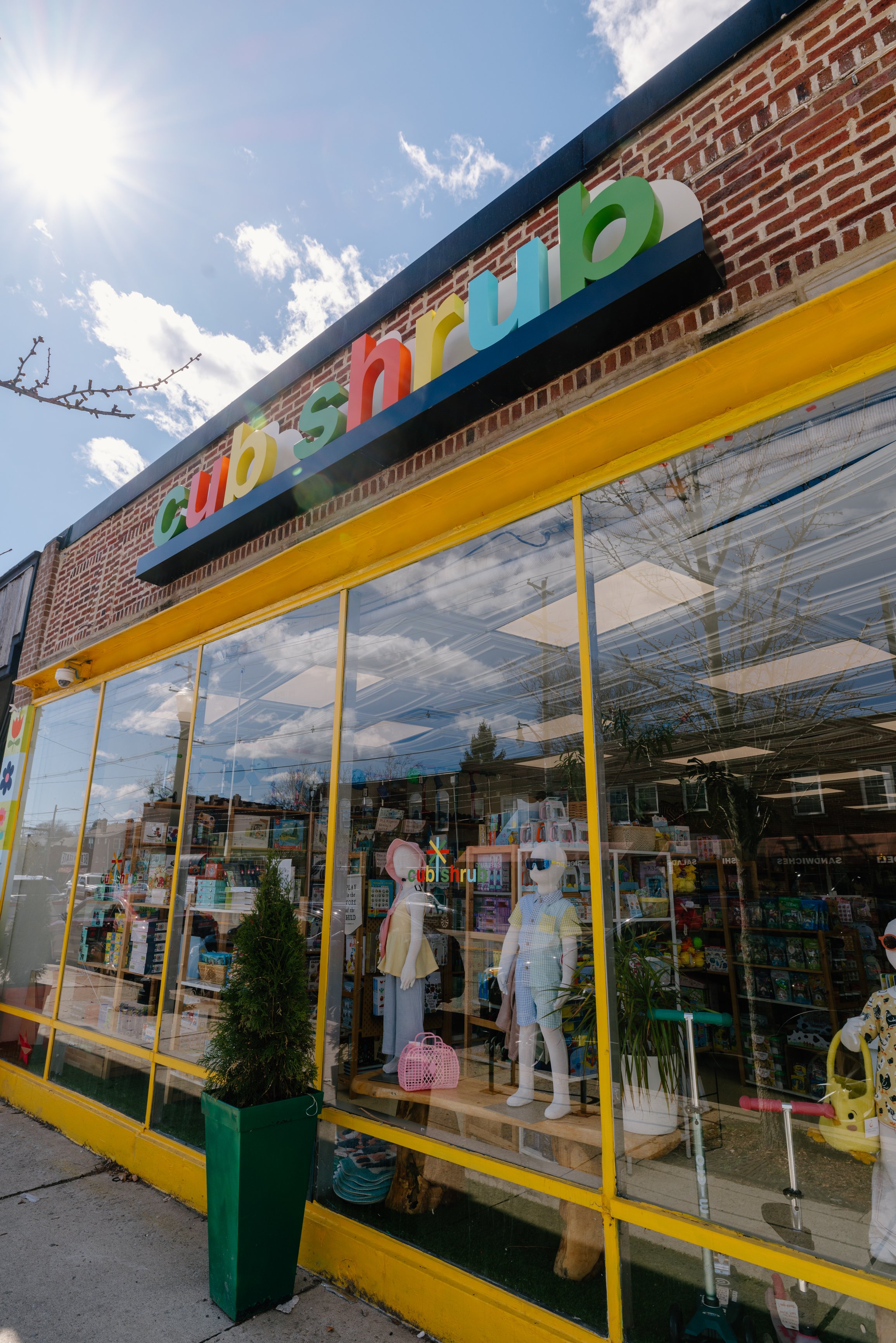
I play a lot of The Kinks or late-90s British pop. We have to strike a balance since we now house our children’s brand, Cub Shrub. The lyrics matter more than they used to.
6. What’s the secret to your longevity?
I sort of wish I knew, but I can point to some things I do know. We have an incredible team. We've been lucky enough to already be carrying lines that became huge trends several times. We stay invested in our communities. I think if I did know “the secret,” we'd put too much stock in that and get formulaic. We're great at responding and terrible at planning. Being able to make a great dinner from what's in the pantry is a certain kind of skillset.
7. Advice for future shopkeepers? Particularly those hoping to open a brick-and-mortar?
Build your foundation around your top 20 percent. As long as something is in that bracket, never let it go out of stock. Build adjacent products and lines around those winners. It is not the sexiest formula, but it works. Find a neighborhood you genuinely want to invest in. Serve people you are happy to serve. Take care of your team. Ask yourself what is within your control to make your people want to be there. It might be money, though early on, that can be hard. There are many other levers you can pull to build a culture that thrives.
8. Why are you still a shop owner? What keeps you going?
There’s a Vonnegut passage about running out to buy an envelope that I think about all the time. I'd encourage everyone to read it if they’re unfamiliar, but essentially it's about the forced collisions that make us human. I think the interactions that take place in our space are important. I'm grateful to provide the space for them to occur.