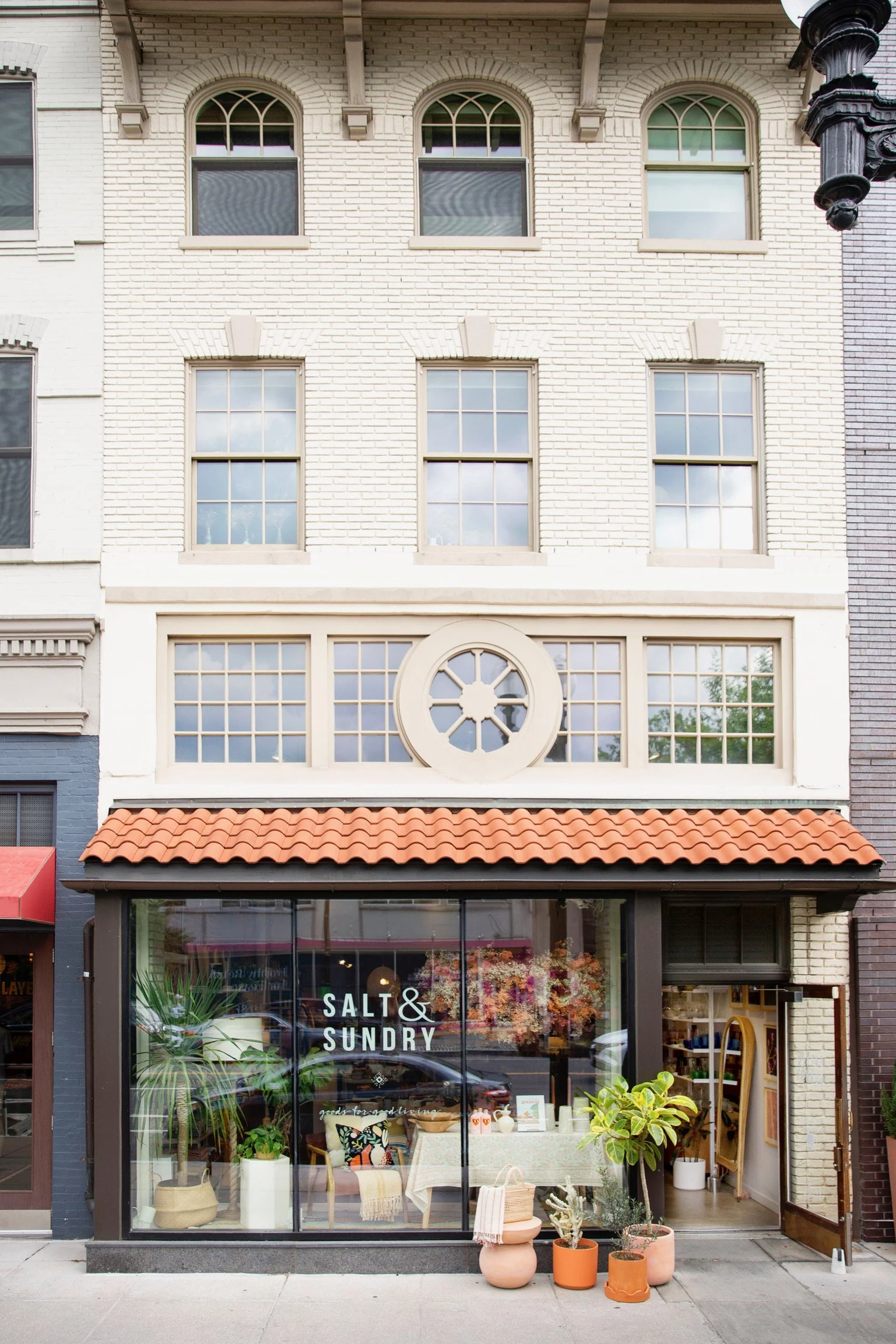
STAYING POWER: Salt & Sundry
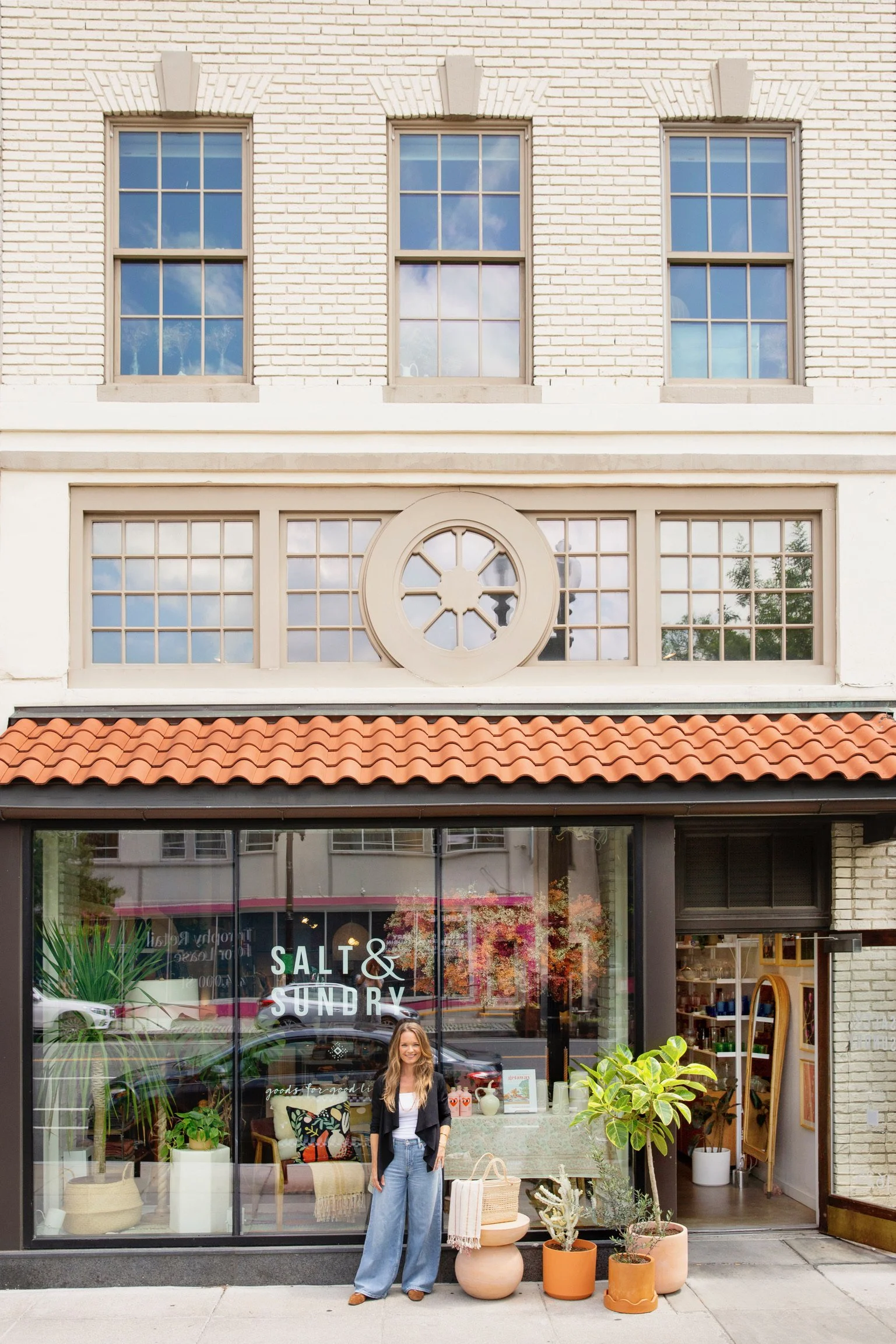
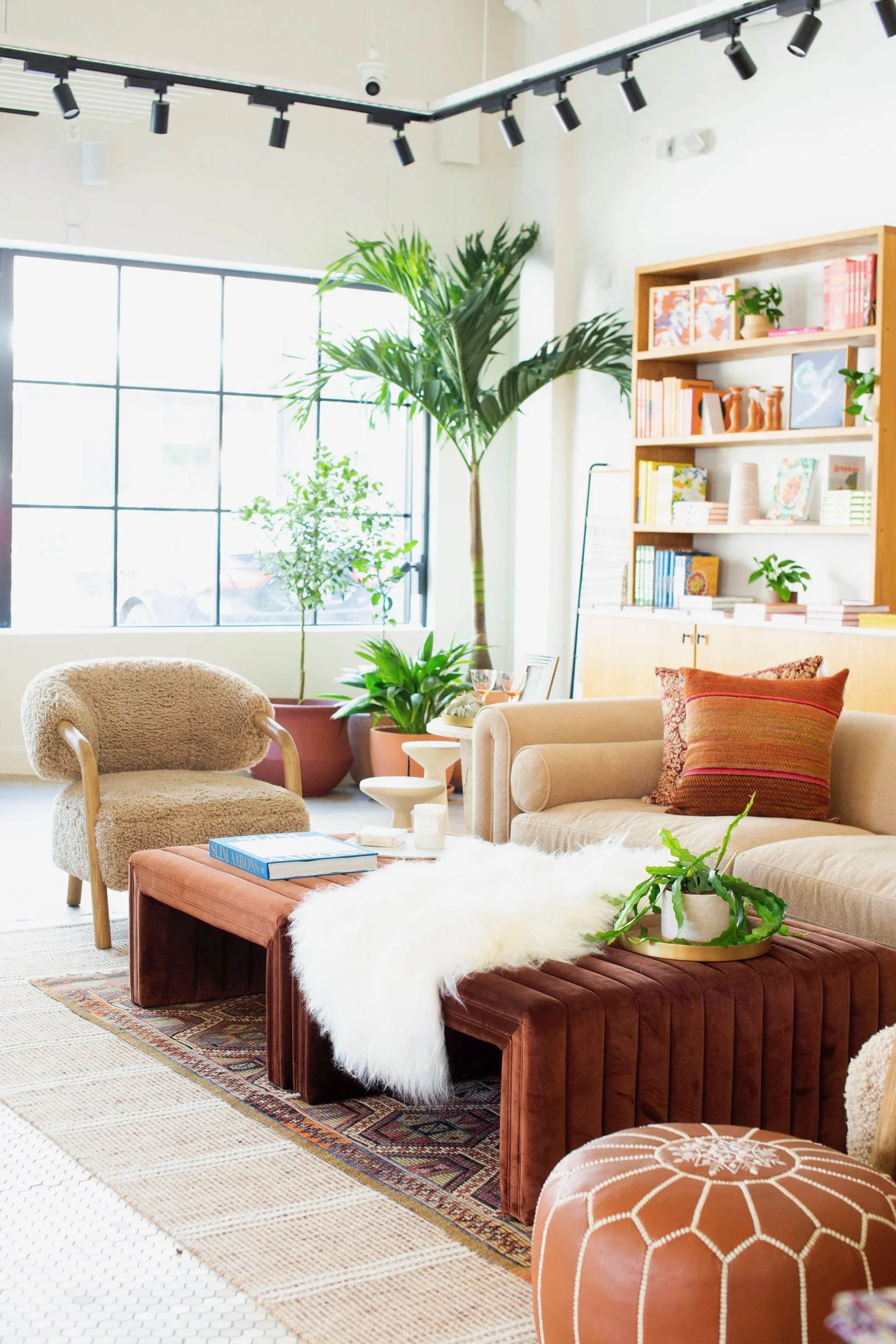
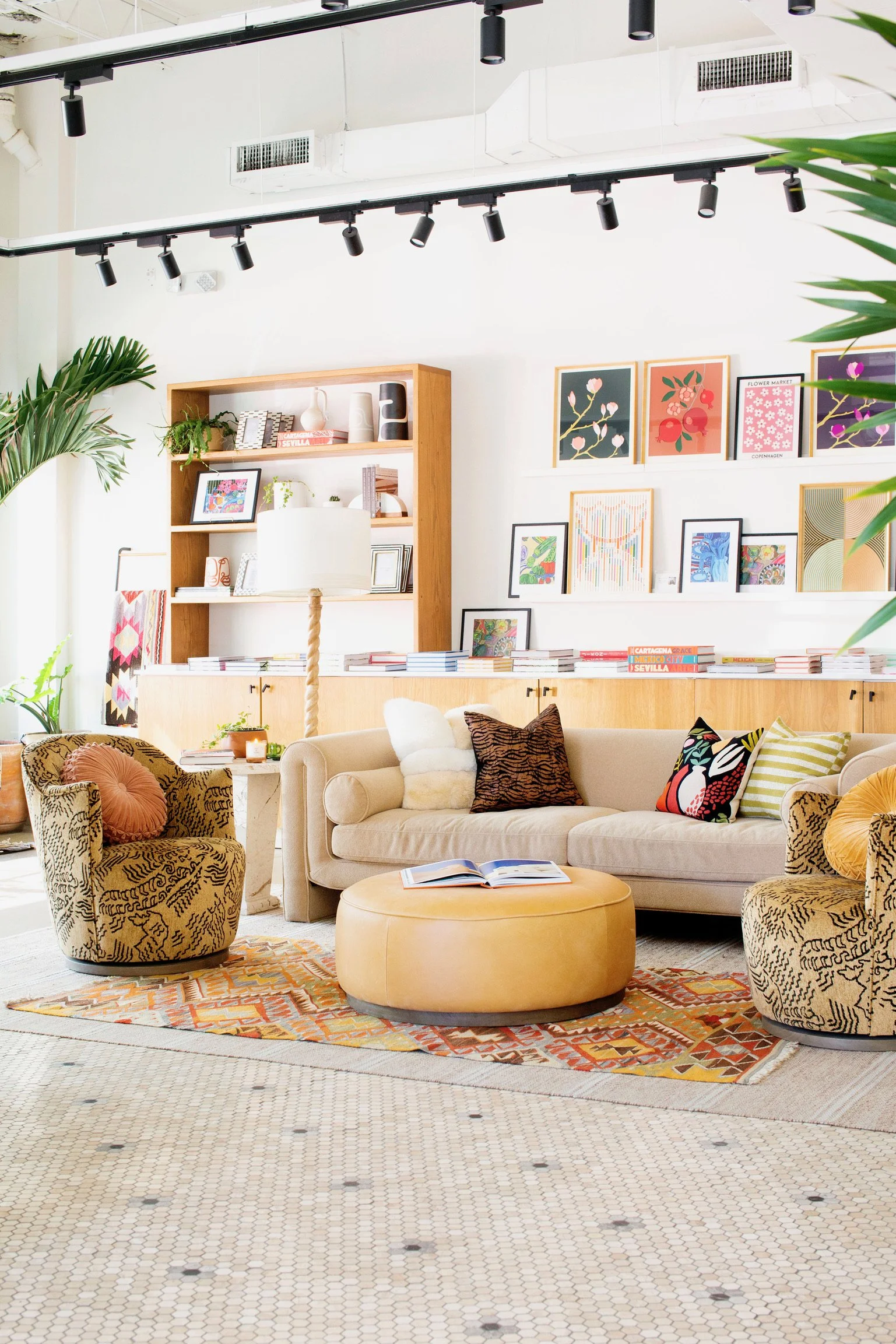
Welcome to Salt & Sundry, the home and lifestyle boutique whose eclectic curation has become a mainstay of the DC retail scene.
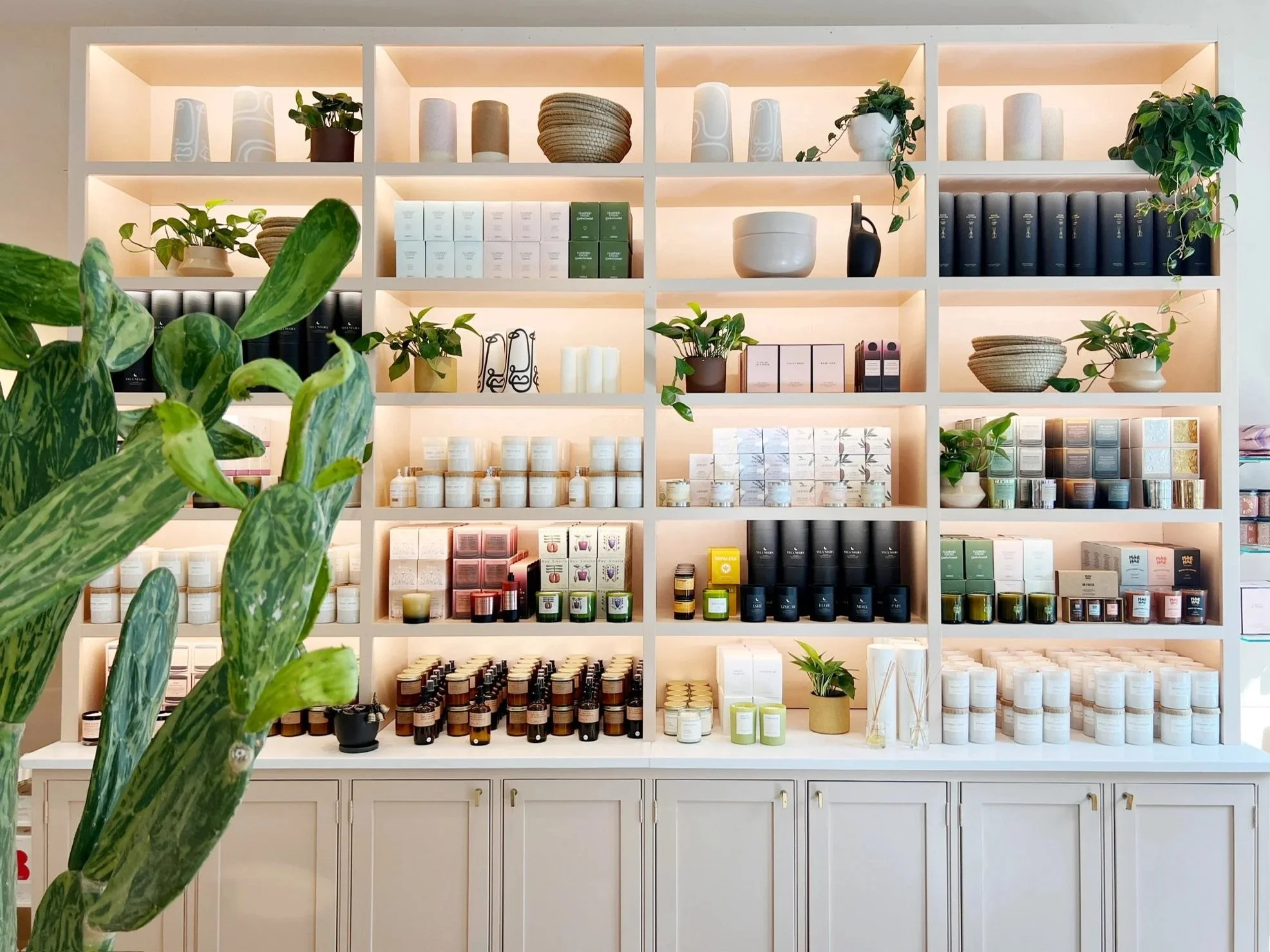
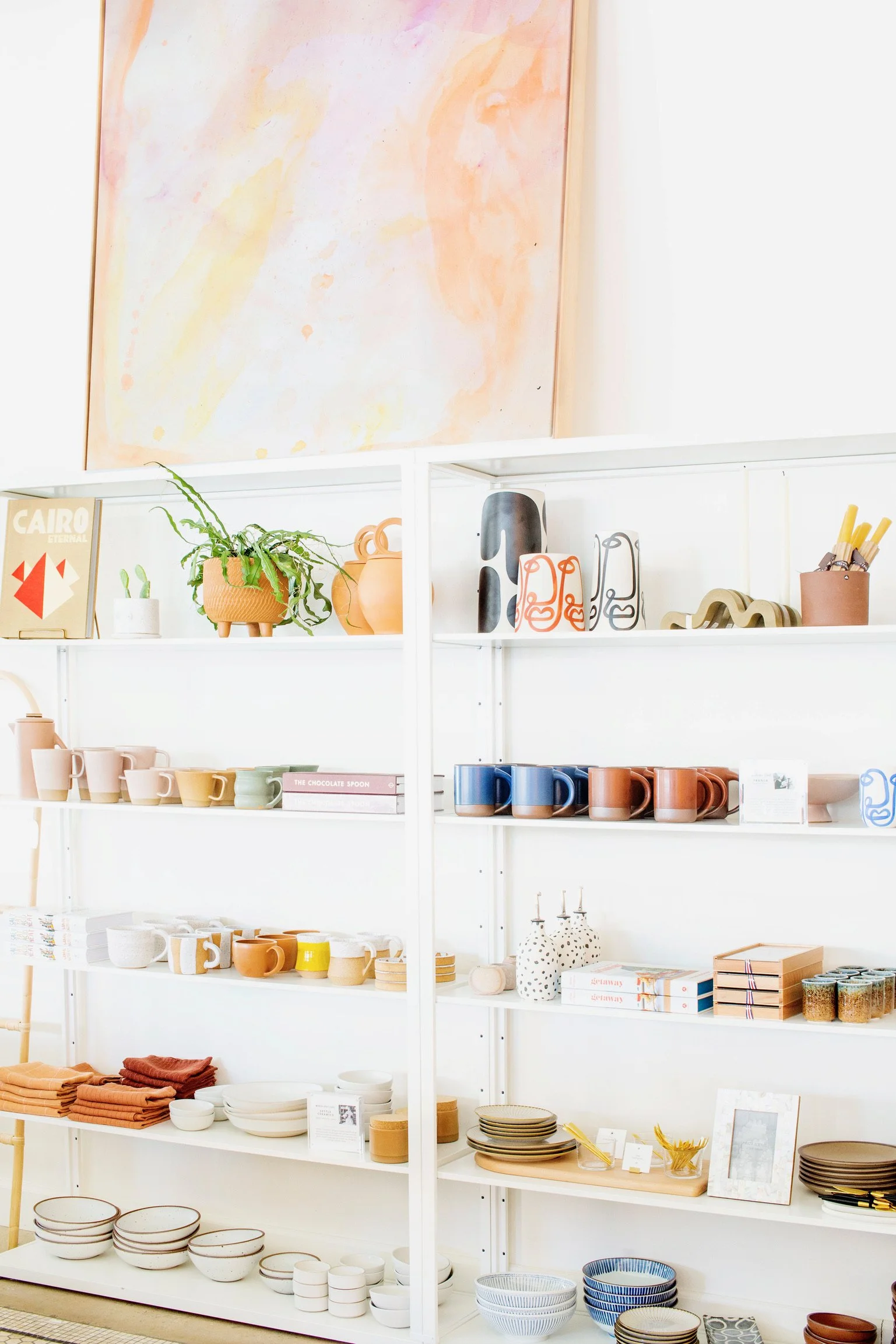
Founded in Washington, DC, in 2012, the shop offers a vibrant mix of quality goods crafted by independent makers from near and far. From home furnishings and tableware to jewelry and accessories to gifts for all ages, Salt & Sundry has been a beloved destination for design-forward finds for over a decade.
We spoke with founder and creative director Amanda McClements to learn the story of how Salt & Sundry grew from dream into reality and what tips and tricks she’d pass on to her fellow shopkeepers.
1. Tell us your shop’s origin story!
Salt & Sundry was born out of my desire to encourage people to create thoughtful spaces that inspire, nurture, and comfort. I’d been living in DC for about 12 years working as a journalist, and this little seed of a place started germinating in my mind — a place where you’d walk in, be wrapped in warm hospitality and be able to find beautiful handmade goods that would last a lifetime. I had really no retail experience other than working at a sporting goods store when I was 15. I started reading, researching, and asking everyone I knew in the business for drinks and coffee.
In November 2012, I opened the first Salt & Sundry inside DC's Union Market, and two years later, a second location in Logan Circle. We've been popping up, expanding, contracting, and doing whatever it takes to thrive ever since.
2. What did you do before this shop and how did that lead you here?
After being bitten by the journalism bug early on, I worked in DC's political media landscape for a brief stint. I managed to pitch a dining column there and moved to food, travel, and lifestyle writing for a decade. Covering the blossoming hospitality scene in DC made me realize how underserved we were as a city when it came to independent retail. I thought opening a shop was a huge departure from my background until one day right after opening, while I was chatting up a customer about the story behind my favorite peanut butter, it clicked — I was doing the same thing I had done for magazines but in person, in a new and tangible way.
3. How has your concept evolved over the years?
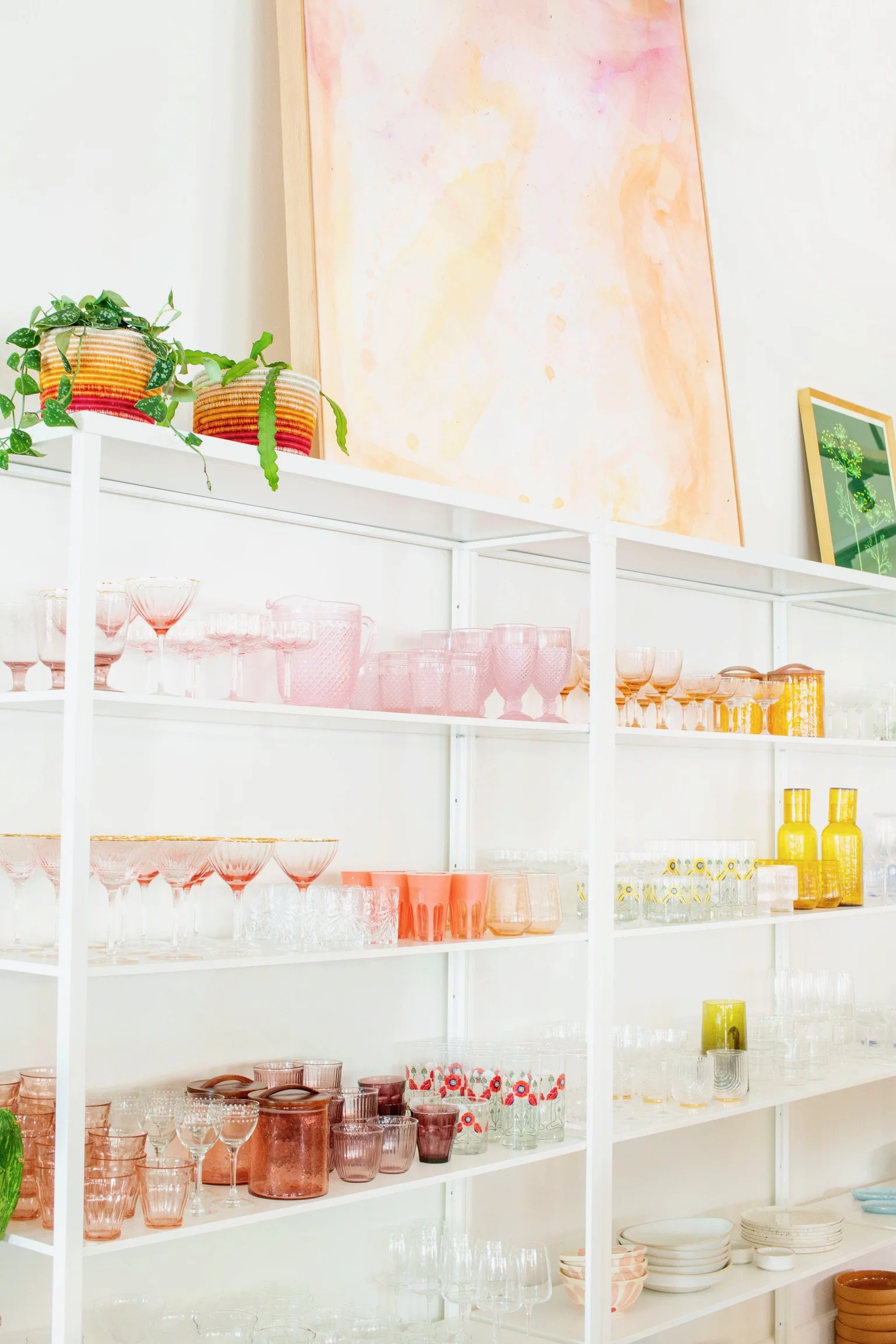
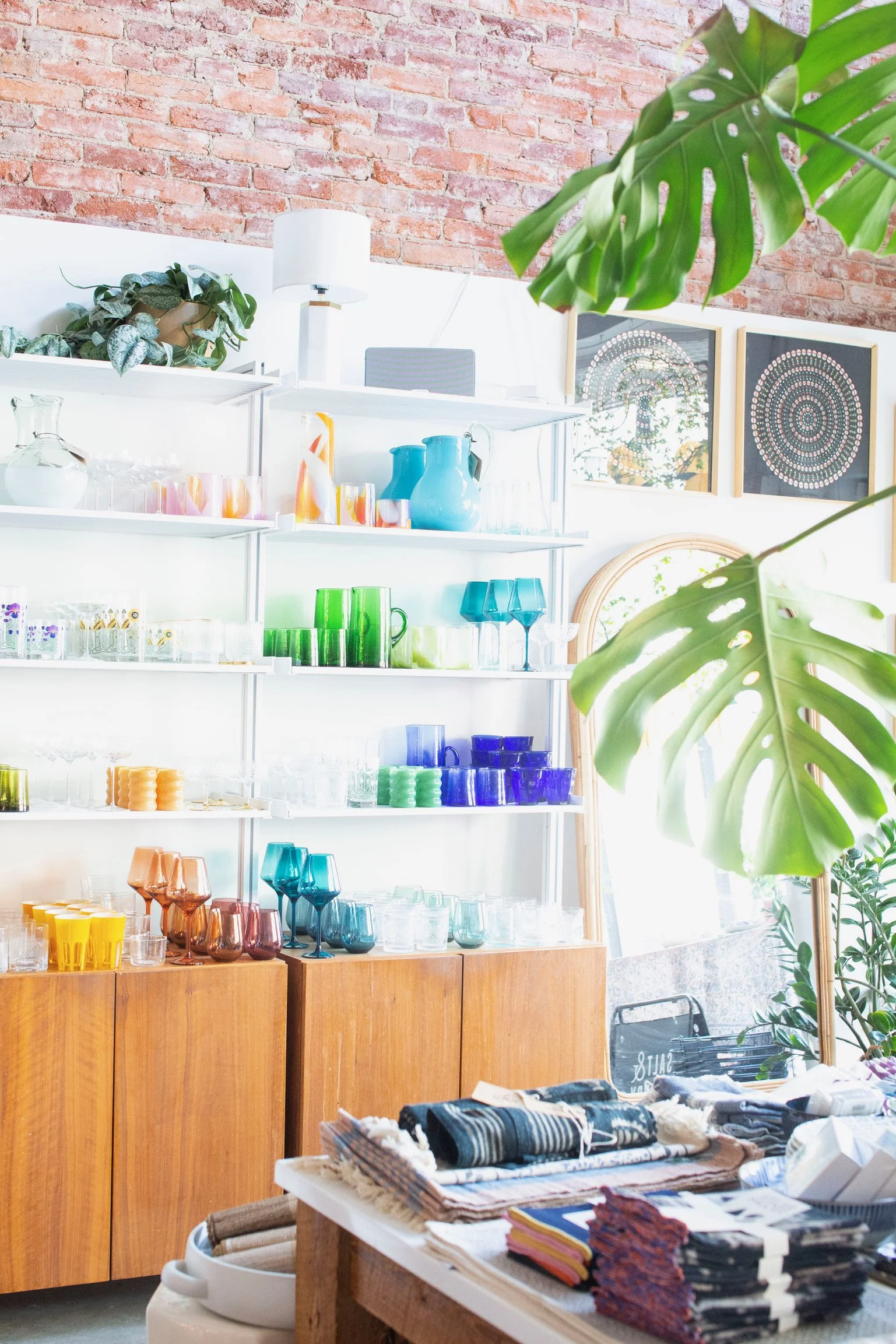
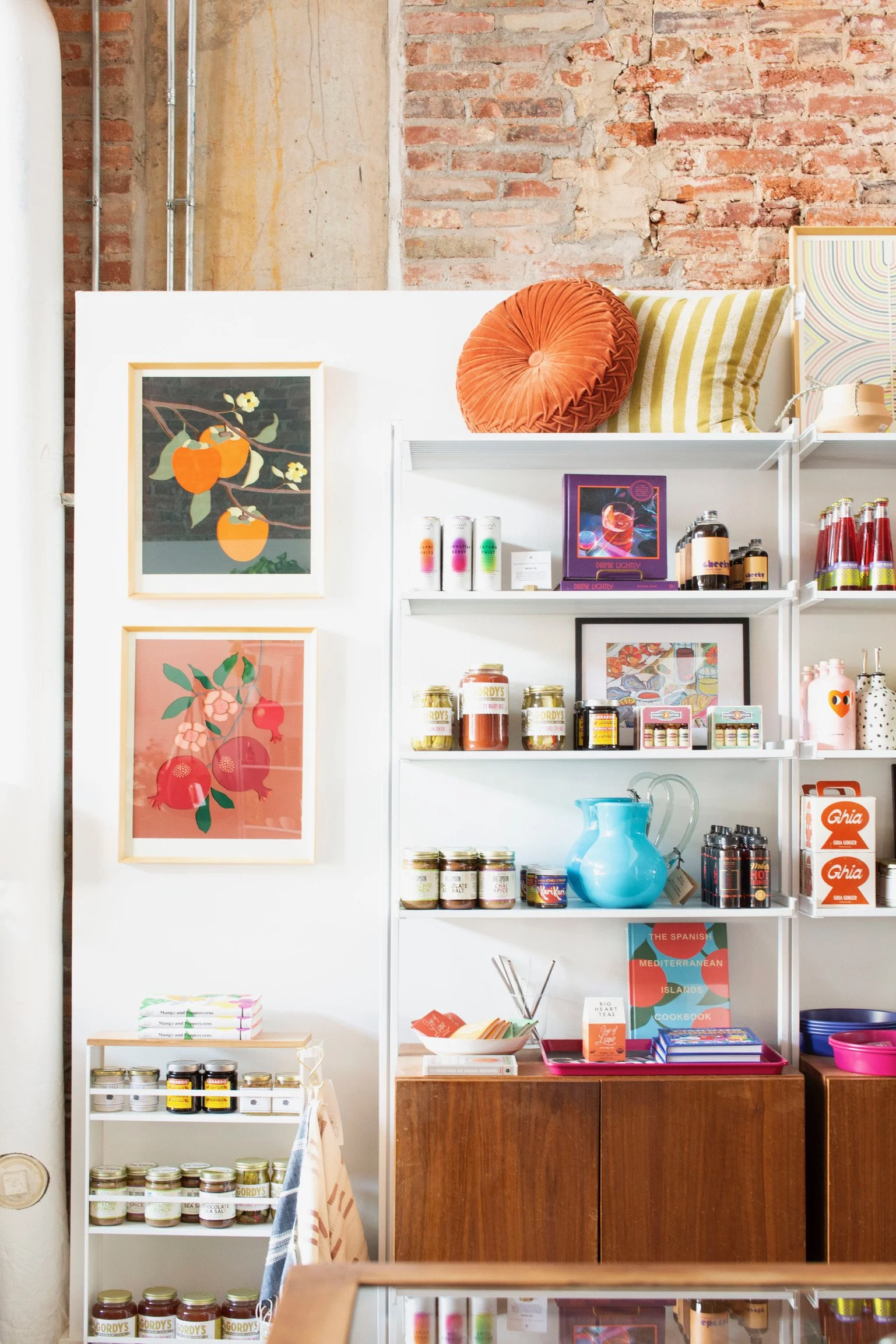
Coming from my food writing background, I was initially very focused on the shop being centered on entertaining and the table. I quickly realized that shoppers were eager for more, so we've expanded into more of a lifestyle concept over the years. My new bar became: If I want to own it, we can sell it.
4. Steepest learning curve in the beginning?
Budgeting! Or creating systems of any kind, really. My team and I would realize we needed more structure, create a relatively useful system, and then not use it. Follow-through is tough when there's so much going on. Today's headwinds for small businesses keep coming — economic uncertainty, tariffs, general morale. We're trying to focus on things we can control, like the space we create for folks to seek out some comfort and beauty in a heavy world.
5. What do you not sell anymore that you really miss?
In the early days, I sourced a lot of vintage, but it's a lot of work getting out there and seeking out treasures! I miss having older pieces with history in the space, and I have so much respect for the sellers who are out there doing the legwork.
6. How do you handle social media?
For years, I managed it myself, and it felt like a failure of delegation on my part. Now I'm embracing the idea that an owner-founder's voice is important on social media. I have an amazing art director who creates our beautiful images, a talented team who helps brainstorm content, and I handle the rest.
7. How do you source new products? Any secret tips you can share?
Outside of shows, I have an insatiable appetite for scouting, so I'm always on the hunt, whether I'm turning over plates in restaurants or chatting up vendors at street markets. And, of course, travel is the ultimate source of fresh perspectives to snap you out of your comfort zone.
8. Advice for future shopkeepers? Particularly those hoping to open a brick-and-mortar?
Get out there, talk to lots of people, get lots of feedback, listen, and ask for help. There are no dumb questions when you're learning. If you're like me, try to get out of your own way and stop dwelling on “what ifs.” Get comfortable with the idea that the only way to find out if your idea will work is to try it and decide if failure is something you can withstand.
One of the hardest pieces these days is finding an affordable space in a great location, but don't commit to a bad location. Wait for the right space, and try popping up or getting creative with sharing space until you find it.
9. Why are you still a shop owner? What keeps you going?
When you open a brick-and-mortar business, you become a real part of the community, of the landscape and texture of people's lives. I really underestimated that in the beginning — the ability to create so many meaningful connections. Whether it's our earliest team members who now vacation with their families together, the makers and designers we've grown with, or the phases of life we walk alongside our customers, it's the wonderful humans and our community who keep me going.